
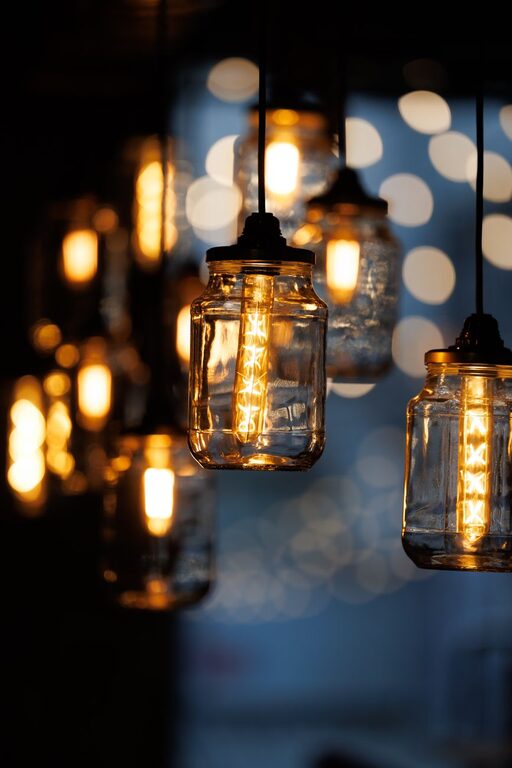
Creating a comfortable and inviting home starts with the right lighting. Proper lighting not only brightens your rooms but also impacts your mood, productivity, and overall well-being. Choosing comfortable home lighting involves more than picking the brightest bulbs; it requires understanding the function of each space, the quality of light, and the style that fits your home. This guide offers essential tips to help you select lighting that feels just right for every room in your house.
Understand the Purpose of Each Room
Before choosing lighting fixtures or bulbs, consider how you use each room. Different activities require different types and intensities of light.
– Living Rooms: Spaces for relaxation benefit from warm, soft lighting that creates a cozy atmosphere.
– Kitchens: Functional lighting is key; bright, focused light helps with cooking and food prep.
– Bedrooms: Use dimmable, warm lights to promote calmness and restful sleep.
– Bathrooms: Clear, bright lighting is necessary for grooming tasks.
– Home Offices: Choose lighting that reduces eye strain—natural light supplemented with adjustable task lamps works best.
Choose the Right Color Temperature
Color temperature is measured in Kelvins (K) and influences the mood a light creates.
– Warm Light (2700K–3000K): Offers a yellowish, cozy glow ideal for living rooms and bedrooms.
– Neutral White (3500K–4100K): Suitable for kitchens and bathrooms, providing a balance between warmth and brightness.
– Cool White/Daylight (5000K+): Mimics natural daylight, good for workspaces and areas needing alertness.
Selecting a color temperature that fits your room’s function helps make the lighting feel natural and comfortable.
Pay Attention to Light Intensity and Brightness
Measured in lumens, brightness should match the room size and purpose.
– Use softer lighting for intimate spaces like bedrooms or lounges.
– Larger rooms or work areas generally need brighter lighting.
– Consider layering light sources using ambient (general), task (focused), and accent (decorative) lighting for flexibility.
Tip: Avoid harsh glare by using lampshades, diffusers, or indirect lighting techniques.
Opt for Energy-Efficient Lighting Options
Comfortable lighting doesn’t have to mean high energy consumption.
– LED bulbs are recommended as they use less power and last longer than traditional incandescent bulbs.
– Choose bulbs labeled with energy efficiency ratings.
– Consider smart lighting systems, which allow you to adjust brightness and color temperature easily.
Consider Fixture Styles and Placement
The style and positioning of your fixtures impact both comfort and aesthetics.
– Ceiling fixtures provide general lighting.
– Table and floor lamps add warmth and can be moved to create cozy spots.
– Wall sconces and pendant lights can highlight features or provide decorative accent lighting.
– Position lights to reduce shadows and prevent glare on screens or mirrors.
Use Dimmers for Flexibility
Installing dimmer switches allows you to control light intensity based on time of day or activity.
– Dimming capabilities enhance comfort, especially in living rooms and bedrooms.
– Make sure your bulbs and fixtures are compatible with dimmers to avoid flickering.
Incorporate Natural Light
Maximizing natural daylight can improve comfort and reduce the need for artificial lighting.
– Use light-colored curtains or blinds to diffuse sunlight.
– Strategically place mirrors to reflect natural light deeper into rooms.
– Keep windows clean and unobstructed.
Mind the Quality of Light
Some lighting may appear bright but cause discomfort.
– Choose bulbs with a high Color Rendering Index (CRI) of 80 or above for colors to appear natural.
– Avoid flickering lights, which can cause headaches and eye strain.
– Select bulbs from reputable brands to ensure consistent quality.
Final Tips for Comfortable Home Lighting
– Test your lighting setup at different times to ensure comfort throughout the day.
– Mix and match lighting types to suit various moods and tasks.
– Keep your lighting fixtures clean to maintain brightness.
– Replace bulbs that have dimmed or changed in color over time.
By thoughtfully selecting and arranging your home lighting, you can create a space that feels welcoming, practical, and comfortable all year round. Remember, good lighting is an investment in your home’s atmosphere and your personal well-being.

Related Posts