
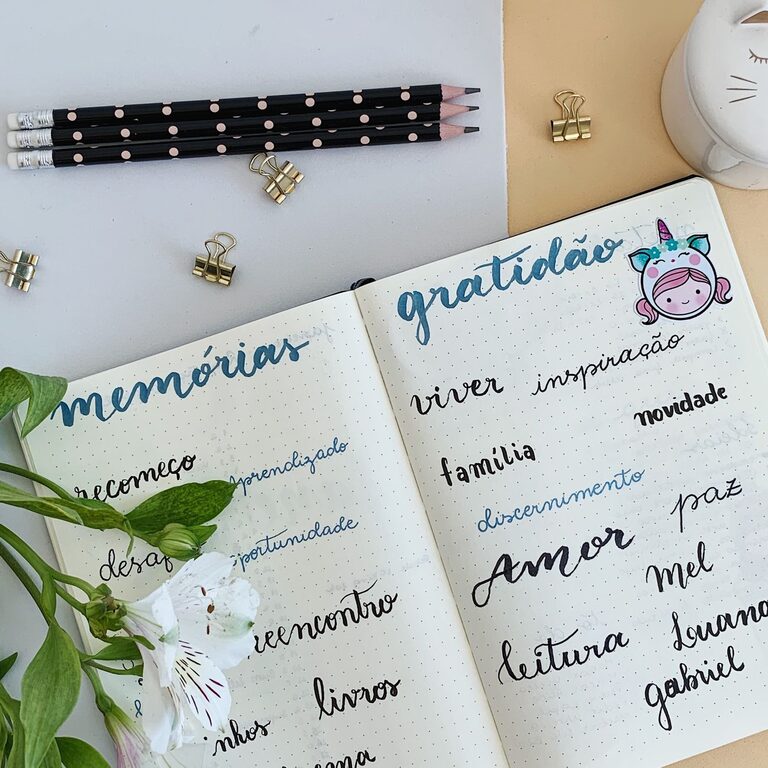
Journaling is a simple yet powerful tool that can positively impact your life in many ways. If you’re new to journaling or want to make it a daily habit, this beginner guide will help you get started and maintain consistency. Whether you want to boost your creativity, reduce stress, or simply keep track of your thoughts, journaling can be a rewarding practice.
Why Journal Every Day?
Before diving into how to journal daily, it’s important to understand why making it a regular habit is beneficial. Journaling every day can:
– Improve mental clarity: Writing regularly helps organize your thoughts and reduces mental clutter.
– Boost creativity: Daily writing encourages new ideas and self-expression.
– Support emotional health: Journaling can serve as an outlet to manage emotions and reduce stress.
– Track progress: Whether for goals, habits, or personal growth, daily entries show your development over time.
– Enhance self-awareness: Reflecting on your experiences deepens your understanding of yourself.
Getting Started: What You Need
You don’t need fancy tools to start journaling—just a notebook and a pen will do. However, choose what feels comfortable for you, such as:
– A physical journal or notebook
– A digital app or document on your computer or phone
– Colored pens or stickers if you enjoy creative expression
The key is to pick a medium that encourages you to write without hesitation.
How to Begin Your Daily Journaling Practice
1. Set a Specific Time
Choose a consistent time each day to journal, such as morning, lunchtime, or before bed. Having a designated time makes it easier to remember and builds it into your routine.
2. Start Small
Begin with just 5 minutes or a few sentences each day to avoid feeling overwhelmed. As journaling becomes a habit, you can gradually increase the time or length of your entries.
3. Create a Comfortable Space
Find a quiet, comfortable spot where you can write without distractions. This helps make journaling a pleasant experience.
4. Use Simple Prompts to Get Going
If you’re unsure what to write, prompts can guide you. Some easy ones include:
– What am I grateful for today?
– What challenges did I face, and how did I handle them?
– What is one thing I learned today?
– How do I feel right now?
– What are my goals for tomorrow?
5. Be Honest and Kind to Yourself
Your journal is a private space for your thoughts and feelings. Write honestly without judgment. Remember, there is no right or wrong way to journal.
Different Styles of Journaling to Explore
Experimenting with different journaling styles can keep your practice fresh and enjoyable. Some popular types include:
– Gratitude journaling: Focus on things you’re thankful for.
– Reflective journaling: Explore your thoughts and emotions in depth.
– Goal journaling: Track progress toward personal or professional goals.
– Creative journaling: Combine writing with drawings, doodles, or collages.
– Bullet journaling: Use bullet points and symbols to organize your day and tasks.
Try mixing these styles or finding your own approach to make journaling more meaningful.
Overcoming Common Challenges
I Don’t Have Time
Even a few minutes is enough. Consider journaling during downtime, like waiting for your coffee or before bed.
I Don’t Know What to Write
Use prompts or simply describe your day. Writing about your environment, people you met, or things you noticed can get the words flowing.
I Missed a Day (or More)
Don’t worry about perfection. Journaling is a personal tool, so simply start fresh the next day without guilt.
Tips for Sticking to Your Journaling Habit
– Keep your journal visible to remind yourself.
– Set a daily alarm or notification.
– Reward yourself for reaching milestones.
– Share your journaling goals with a friend for encouragement.
– Reflect on how journaling benefits you to stay motivated.
Final Thoughts
Journaling every day doesn’t have to be complicated. By starting small and finding an approach that suits you, it can become an enjoyable and valuable part of your life. Remember, the most important part is to begin and stay consistent, no matter how brief each entry may be. Happy journaling!
