
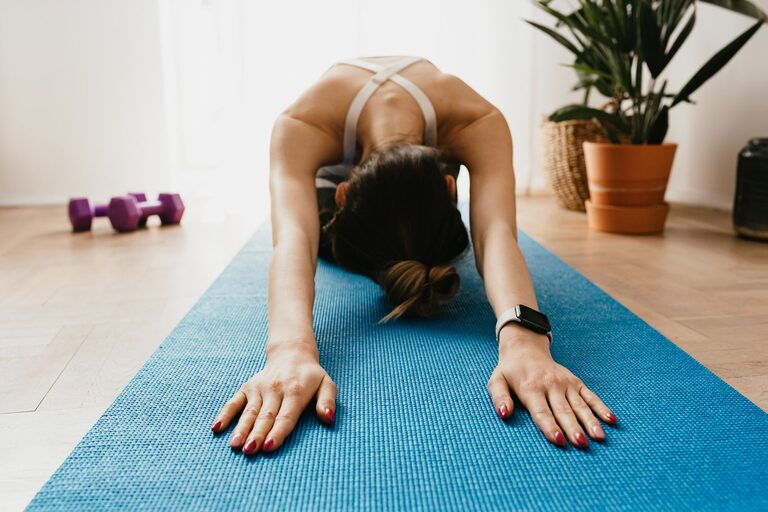
Stretching is a simple, effective way to improve your flexibility, reduce muscle tension, and enhance overall physical well-being. Whether you’re new to exercise or looking to add a healthy habit to your daily routine, stretching at home can be an easy and convenient option.
In this guide, we’ll cover everything you need to know about stretching at home, including why it’s important, how to get started, and some beginner-friendly stretches you can try today.
Why Stretching Matters
Stretching offers several benefits that contribute to your physical health:
– Improves flexibility: Regular stretching helps lengthen your muscles, allowing for a wider range of motion.
– Reduces muscle stiffness: Stretching can relieve tightness that may develop from sitting or inactivity.
– Enhances posture: Flexible muscles support better alignment and reduce strain on joints.
– Increases blood flow: Stretching promotes circulation, helping muscles recover after exercise.
– Relieves stress: Gentle stretching encourages relaxation and can reduce feelings of tension.
Getting Started: Stretching Basics
Before diving into stretches, keep these basics in mind:
Warm Up First
Stretching cold muscles can cause injury. Start with a 5-minute warm-up like walking in place, marching, or light jogging. Warming increases blood flow and prepares your body.
Breathe Deeply and Slowly
Focus on taking slow, steady breaths during each stretch. This helps relax your muscles and improves oxygen flow.
Hold Each Stretch
Hold stretches for 15 to 30 seconds without bouncing. Bouncing can cause muscle strain.
Avoid Pain
Stretching should feel good, never painful. Ease off if you experience discomfort or sharp pain.
Beginner-Friendly Stretches You Can Do at Home
Here are some simple and effective stretches for beginners:
1. Neck Stretch
Relieves tension often caused by poor posture or long screen time.
– Sit or stand tall.
– Slowly tilt your head to the right, bringing your ear toward your shoulder.
– Hold for 20 seconds, then switch sides.
2. Shoulder Rolls
Loosens shoulder muscles and increases mobility.
– Sit or stand with your back straight.
– Roll your shoulders forward in a circular motion 10 times.
– Reverse and roll backward 10 times.
3. Chest Stretch
Opens up the chest and combats slouching.
– Stand tall with feet hip-width apart.
– Clasp your hands behind your back, straighten your arms.
– Gently lift your hands away from your back while squeezing your shoulder blades.
– Hold for 20 seconds.
4. Cat-Cow Stretch (Spine Mobility)
A gentle way to stretch your back and improve spinal flexibility.
– Get on your hands and knees with wrists under shoulders and knees under hips.
– Inhale, arch your back, lifting your tailbone and head (Cow Pose).
– Exhale, round your spine, tucking your chin and tailbone (Cat Pose).
– Repeat 10 times slowly.
5. Seated Forward Bend
Stretches the hamstrings and lower back.
– Sit on the floor with legs extended straight.
– Inhale and reach arms overhead.
– Exhale, bend forward from your hips, reaching toward your toes.
– Hold for 20-30 seconds, keeping back as straight as possible.
6. Hip Flexor Stretch
Counters the effects of sitting and tight hips.
– Kneel on your right knee, left foot flat on the floor in front.
– Shift weight forward slightly until you feel a stretch in the front of the right hip.
– Hold for 20-30 seconds, then switch legs.
7. Standing Quadriceps Stretch
Stretches the front thigh muscles.
– Stand tall, hold onto a wall or chair for balance if needed.
– Bend your right knee, bringing your heel toward your buttocks.
– Grab your ankle with your right hand and hold the stretch.
– Hold for 20 seconds, then switch legs.
Tips for Building a Stretching Routine
– Set a regular time: Stretching once or twice a day, especially after waking up or before bed, helps make it a habit.
– Listen to your body: Progress at your own pace; flexibility improves gradually.
– Use props if needed: Yoga straps, towels, or cushions can assist deeper stretches.
– Stay consistent: Even a few minutes daily will make a difference over time.
– Combine with other exercises: Stretch after walking, yoga, or light workouts for best results.
When to Avoid Stretching or Be Cautious
Be mindful if you have any medical conditions, injuries, or severe pain. If you’re unsure, consult a fitness professional or healthcare provider before starting a new stretching routine.
Final Thoughts
Stretching at home is an accessible way to take care of your body and mind. With the right approach and simple stretches, you can boost your flexibility, reduce discomfort, and feel more relaxed day to day.
Try incorporating these beginner stretches into your daily routine, and enjoy the benefits of a more flexible, healthier you!
