
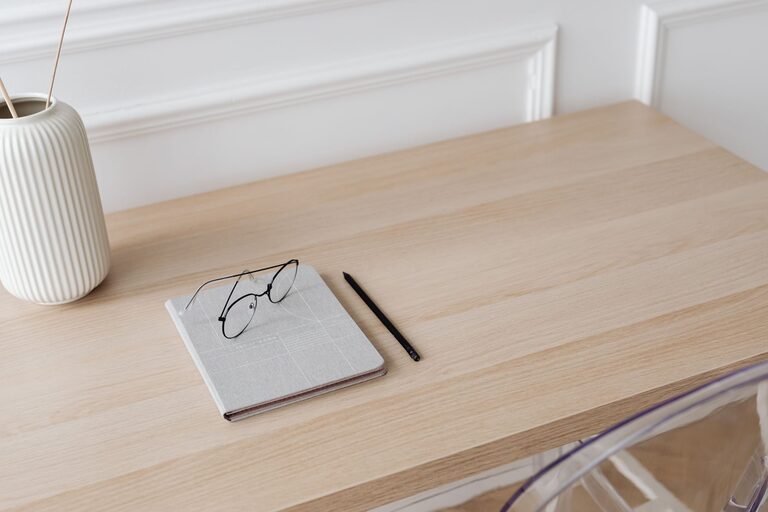
Creating a relaxing home workspace is essential for maintaining focus and reducing stress, especially as more people work from home. A well-designed workspace can improve your mood, increase productivity, and help you separate work from personal life even within the same room. This guide provides practical steps to transform your workspace into a calm, inviting area where you can work comfortably and efficiently.
Why a Relaxing Workspace Matters
Your environment influences how you feel and how well you can concentrate. A cluttered or uncomfortable space can lead to distractions, anxiety, and fatigue. On the other hand, a calming workspace promotes creativity, helps maintain focus, and makes working more enjoyable.
Choosing the Right Location
Find a Quiet Spot
Ideally, select a part of your home that is quiet and has minimal foot traffic. This reduces interruptions and noise, allowing you to focus better.
Consider Natural Light
Position your desk near a window if possible. Natural light improves mood and alertness. If natural light is limited, use soft, warm lighting to create a comfortable atmosphere.
Organizing Your Space
Declutter Regularly
Keep only essential items on your desk. A clutter-free workspace reduces stress and helps you find what you need quickly.
Use Storage Solutions
Invest in organizers, shelves, or drawers to store supplies neatly. Label containers to easily locate your belongings.
Cable Management
Tidy up cords using clips or cable sleeves to prevent tangling and give your desk a cleaner look.
Ergonomic Setup for Comfort
Choose the Right Chair
Select an ergonomic chair that supports your back and encourages good posture. Adjust the height so your feet rest flat on the floor.
Desk Height and Monitor Position
Your desk should allow your elbows to rest at a 90-degree angle. Position your monitor at eye level, about an arm’s length away, to avoid neck strain.
Add a Keyboard and Mouse
Use an external keyboard and mouse if working on a laptop to maintain ergonomic positioning.
Incorporate Calming Elements
Use Soothing Colors
Paint or decorate your workspace with soft, neutral colors like light blues, greens, or earth tones, which can help reduce stress.
Add Plants
Indoor plants improve air quality and add a touch of nature, which can enhance relaxation and productivity.
Personal Touches
Display a few meaningful photos or artwork to create a positive and inspiring atmosphere without cluttering your space.
Manage Noise and Distractions
Use Noise-Canceling Headphones
If external noise is unavoidable, noise-canceling headphones can help you maintain focus.
Play Soft Background Music
Some people find that gentle instrumental or nature sounds improve concentration and reduce stress.
Establish a Routine
Set Work Hours
Define clear work hours and stick to them to maintain a healthy work-life balance.
Take Breaks
Regular breaks help prevent burnout. Use a timer to remind yourself to stand, stretch, or walk around every hour.
Maintain Cleanliness
Daily Tidying
Spend a few minutes at the end of each day organizing your workspace. A clean area makes starting work the next day easier.
Refresh Your Space
Periodically dust your desk, clean your screens, and change out office supplies to keep the environment fresh and inviting.
—
By following these tips, you can create a home workspace that not only supports productivity but also promotes relaxation and well-being. Remember that your workspace should reflect your personal preferences and needs—make adjustments over time to find what works best for you.
